Hiking Boot Fit and Comfort: The Key to Happy Feet on the Trail
The most important thing about hiking boots is not the brand or the looks — it is the fit. Ill-fitting boots mean blisters, black toenails and miserable hikes, while well-fitting ones keep your feet happy for miles. Here is why fit is everything, how to get it right, and how to keep your boots comfortable.
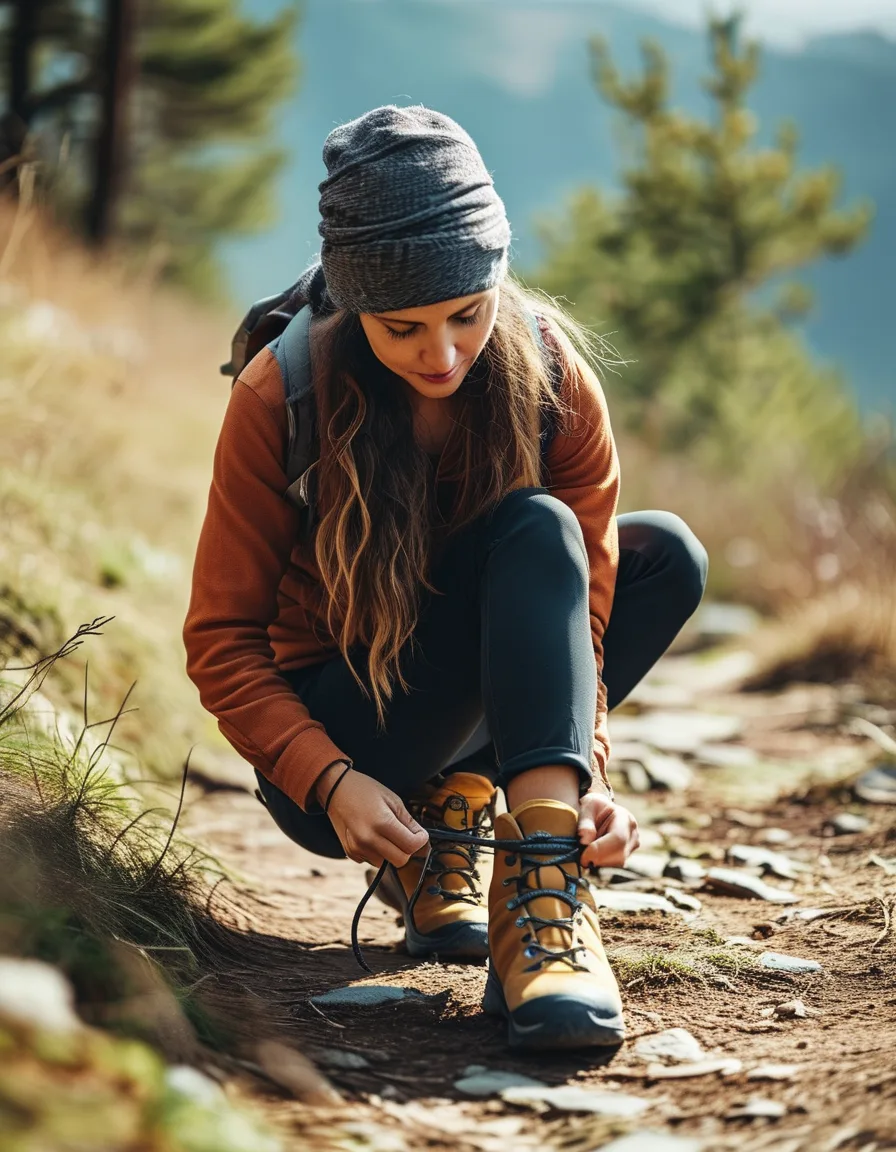
Why Fit Is Everything in Hiking Boots
Fit over everything: the the-fit-prevents-blisters-and-pain (the good fit preventing blisters, black toenails and foot pain from the buying logic — the fit-prevents-pain), the the-happy-feet-for-miles (the well-fitting boots keeping your feet comfortable over long distances from the buying logic — the happy-feet), the the-fit-over-brand-and-looks (the fit mattering more than the brand or appearance from the buying logic — the fit-over-brand), the the-poor-fit-ruins-hikes (the ill-fitting boots ruining hikes with discomfort from the buying logic — the poor-fit-ruins-it), the the-support-and-stability (the a good fit providing support and stability on the trail from the buying logic — the support-and-stability), and the reframe (the hiking boot fit as everything — the difference between blisters and happy feet, mattering far more than brand or looks).
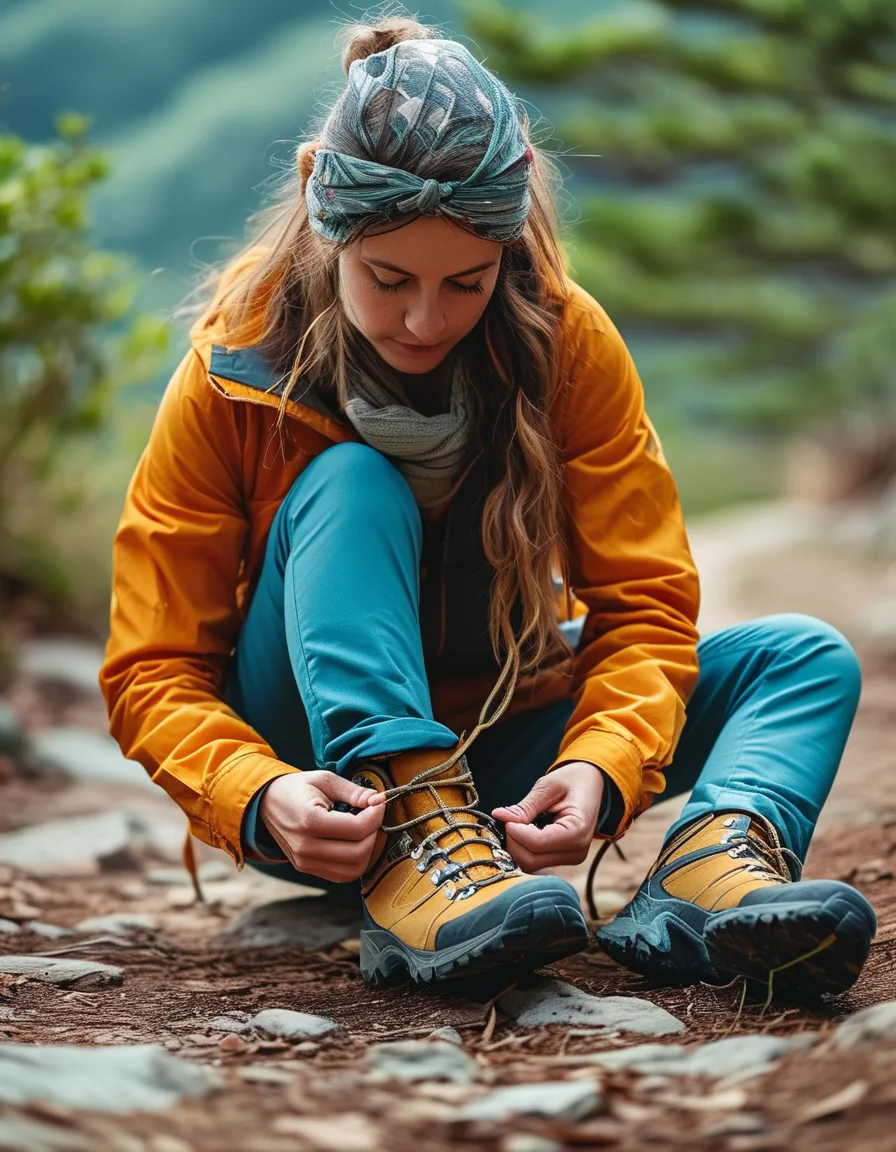
How to Get the Fit Right
Nailing the fit: the the-try-them-on-properly (the trying boots on properly, later in the day when feet are larger from the buying logic — the try-them-right), the the-room-in-the-toe-box (the enough room in the toe box so toes do not hit going downhill from the buying logic — the toe-box-room), the the-snug-heel-no-slip (the a snug heel that does not slip and cause blisters from the buying logic — the snug-heel), the the-the-right-socks (the trying boots with your hiking socks from the sock-system logic — the the-right-socks), the the-lace-for-fit (the lacing techniques to secure the fit and stop toe-jam from the lacing logic — the lace-for-fit), the the-test-them-walking-and-on-inclines (the testing the fit walking and on inclines from the buying logic — the test-the-fit), the the-boots-vs-trail-shoes (the choosing boots or trail shoes for your needs and fit from the vs-trail-shoes logic — the boots-or-shoes), and the the-the-right-fit-for-your-foot (the a boot shape that suits your foot from the buying logic — the fit-your-foot).
The Comfort-and-Care Notes
Keeping boots comfortable: the the-break-them-in (the breaking in new boots gradually before big hikes from the breaking-in logic — the break-them-in), the the-the-right-sock-system (the a good sock system to prevent blisters and manage moisture from the sock-system logic — the the-sock-system), the the-lace-to-prevent-toe-jam (the lacing to lock the heel and stop toe-jam on descents from the lacing logic — the lace-for-descents), the the-care-for-your-boots (the caring for and maintaining your boots from the breaking-in logic — the care-for-them), the the-manage-hotspots-early (the addressing hotspots before they become blisters from the buying logic — the manage-hotspots), the the-replace-when-worn (the replacing boots when the support and tread wear out from the buying logic — the replace-worn-boots), the the-boots-or-trail-shoes-for-comfort (the choosing boots or trail shoes for your comfort and terrain from the vs-trail-shoes logic — the boots-or-shoes-for-comfort), and the frame (the hiking boot fit and comfort as getting the fit right — toe-box room, a snug heel, the right socks and lacing — broken in and cared for — happy feet on the trail. Get the fit right with toe-box room and a snug heel, try them with hiking socks, lace to prevent toe-jam, and break them in gradually).
The most important thing about hiking boots is not the brand or the looks — it is the fit; ill-fitting boots mean blisters, black toenails and miserable hikes, while well-fitting ones keep your feet happy for miles. Fit is everything because it prevents blisters and pain, keeps your feet comfortable over distance, matters more than brand or looks, poor fit ruins hikes, and a good fit provides support and stability. Get the fit right by trying boots on later in the day, ensuring toe-box room (so toes do not hit going downhill), a snug non-slipping heel, trying them with your hiking socks, lacing for fit, testing them walking and on inclines, choosing boots or trail shoes for your needs, and finding a boot shape that suits your foot. Keep them comfortable by breaking them in, using a good sock system, lacing to prevent toe-jam, caring for them, managing hotspots early, and replacing them when worn. Happy feet on the trail.
Keep Reading
This article is for general informational and styling purposes only. Fit, sizing, and product availability may vary.