The Hiking Boot Guide: Choose the Boots, Love the Miles
Hiking footwear is the trail’s most consequential purchase — the wrong pair bills you in blisters, black toenails and turned ankles; the right pair disappears under you for a decade of miles. The decoder: boots versus trail shoes, the fit ritual, and the break-in honesty.
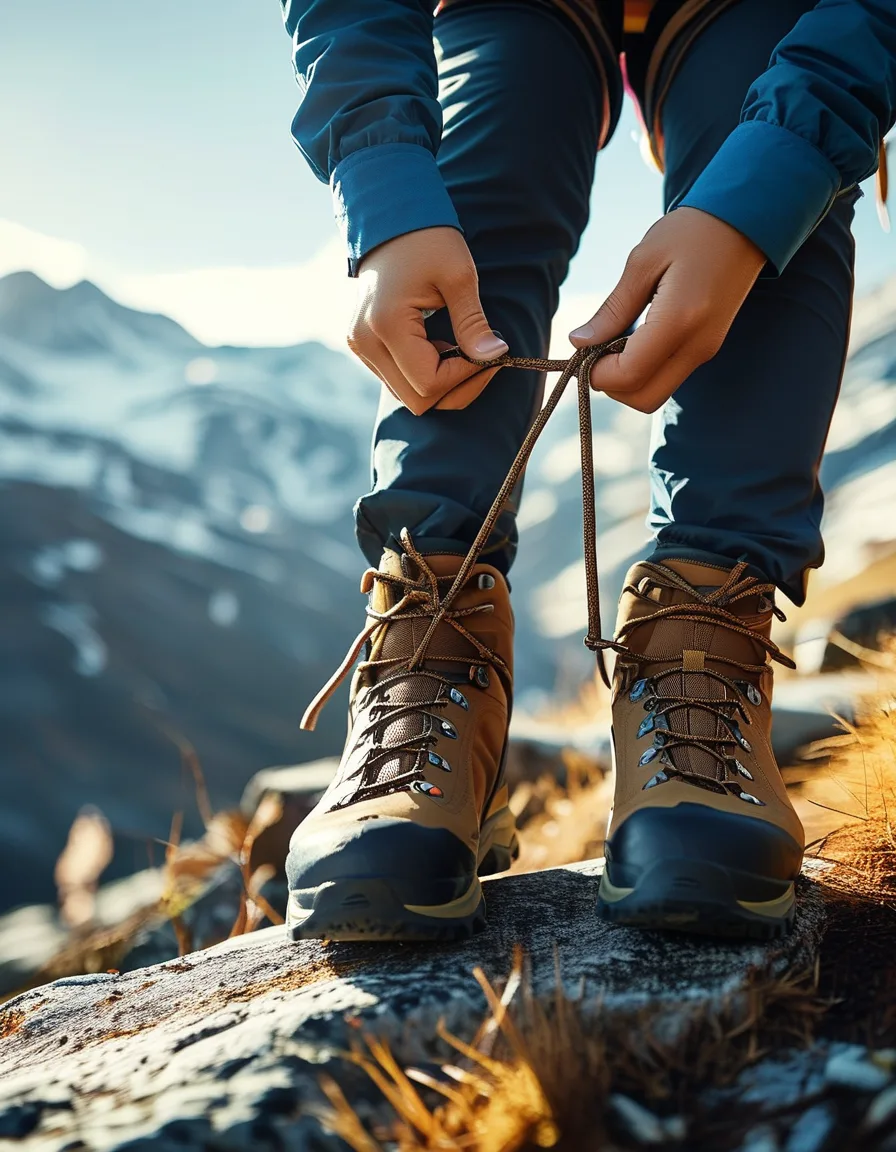
Boots vs Trail Shoes
The modern debate: traditional boots (ankle-high, supportive, protective — the heavy-pack and rough-terrain choice) versus trail runners and hiking shoes (light, flexible, fast-drying — the day-hike revolution; most modern day-hikers have quietly switched). The decision variables: pack weight (heavy loads favor boots), terrain (scree and mud favor height), ankle history (past sprains appreciate support), and distance style (light-and-fast favors shoes). Neither is wrong; the marketing wars just pretend otherwise.
The Fit Ritual
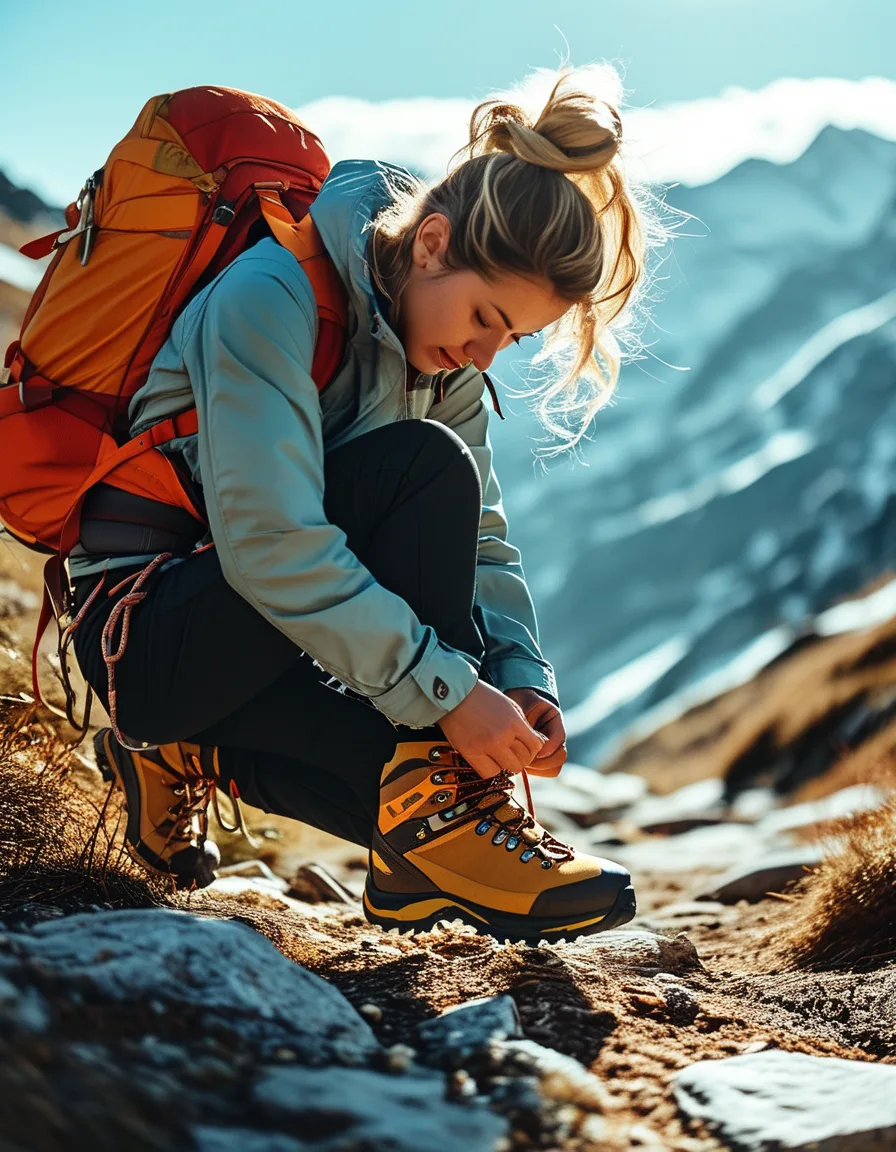
The in-store protocol: shop in the AFTERNOON (feet swell — morning fits lie), wear your actual hiking socks, demand a thumb’s width ahead of the longest toe (downhills slam toes forward — the black-toenail prevention line), the heel-lock check (heels that lift will blister; lacing tricks help but a sliding heel is a fit failure), and the incline-ramp test every good outdoor store provides (downhill toe-bang reveals itself in ten seconds). Women’s-specific lasts matter: narrower heels, different volume — the unisex-boot compromise is real.
The Waterproof Question
The nuanced answer: waterproof membranes (Gore-Tex and kin) keep water out AND sweat in — brilliant for wet climates and cold seasons, sweaty for hot summer trails (where breathable non-waterproof shoes dry faster than waterproof ones stay dry). The honest matrix: wet-cool climate = waterproof; hot-dry climate = breathable; do-everything = waterproof boots + breathable summer shoes as the two-pair endgame.

The Break-In and the Keep
The truth about breaking in: modern trail shoes need almost none (comfortable in the store or never), leather boots need real miles (neighborhood walks before trail commitments — the trail is not the place to introduce yourselves), and NO pair earns a long hike without three short ones first. Care: dry naturally (never the radiator), brush the mud (grit grinds seams), re-waterproof seasonally, and resole the worthy. The retirement signal: compressed midsoles (the flat-feeling cushion) — uppers outlive the parts that protect you.
Afternoon fitting, thumb of space, heel locked, three short hikes first. The boots are the trail’s whole suspension system — fitted right, the miles are the easy part.
Keep Reading
This article is for general informational and styling purposes only. Fit, sizing, and product availability may vary.