What 'Breaking In' Hiking Boots Actually Means Physically (It's Not Just Getting Used to Them)
‘Breaking in’ hiking boots sometimes gets described vaguely as simply getting used to a new feel, as if the discomfort is purely psychological adjustment — but real, physical material changes are happening to specific parts of the boot during that process, changes that a few short wears genuinely can’t replicate. Here is what actually changes physically during break-in, the specific parts of a boot that change most, and the realistic timeline and method that actually works.
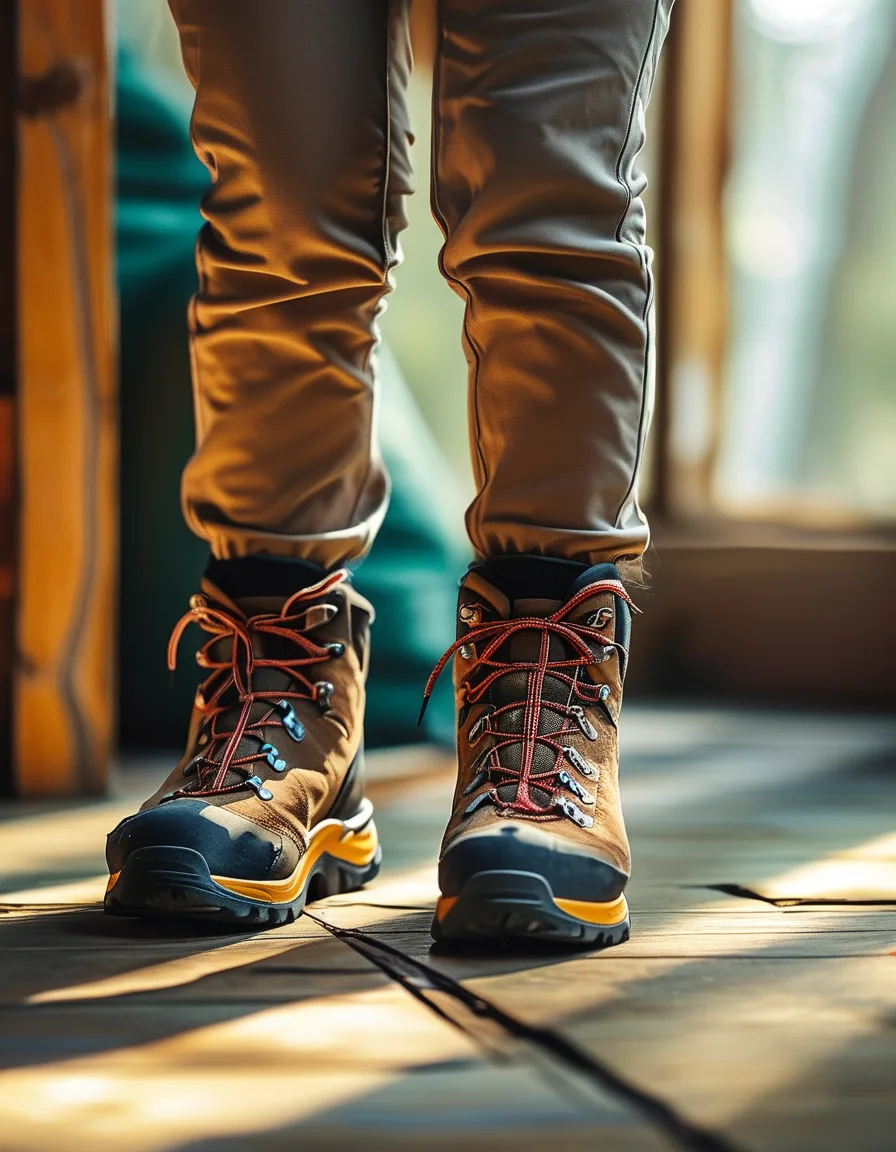
Why Break-In Involves Real Material Changes, Not Just Mental Adjustment
The physical reality: the the-leather-and-synthetic-upper-materials-in-a-boot-gradually-conform-and-soften-slightly-to-the-specific-shape-of-an-individual-foot-through-repeated-wear-and-flex-a-genuine-physical-material-change-not-a-perceptual-one (the actual material of a boot’s upper physically molding to an individual foot’s shape over repeated wear, a real structural change distinct from simply getting used to a sensation — the actual-leather-or-synthetic-upper-material-that-makes-up-a-boots-outer-structure-gradually-and-genuinely-conforms-and-softens-slightly-to-the-specific-individual-shape-of-a-particular-persons-foot-through-repeated-wear-and-repeated-flexing-which-represents-a-genuine-physical-material-change-rather-than-simply-a-perceptual-or-psychological-adjustment-to-an-unfamiliar-sensation), the the-internal-cushioning-and-insole-materials-compress-and-settle-into-a-more-personalized-shape-over-repeated-wear-in-a-way-that-a-brand-new-uncompressed-insole-simply-hasnt-yet-experienced (the insole material undergoing its own genuine compression-based settling process distinct from the upper material’s own separate softening process — the internal-cushioning-and-insole-materials-inside-a-boot-similarly-compress-and-genuinely-settle-into-a-more-personalized-shape-specific-to-an-individual-foot-over-a-period-of-repeated-wear-in-a-way-that-a-completely-brand-new-and-still-fully-uncompressed-insole-simply-hasnt-yet-experienced-or-undergone-at-all), and the reframe (the break-in process as involving genuine, measurable material changes to both the upper and the internal cushioning — a real physical process with its own timeline, not simply a mental adjustment period that could theoretically be skipped through willpower alone)).
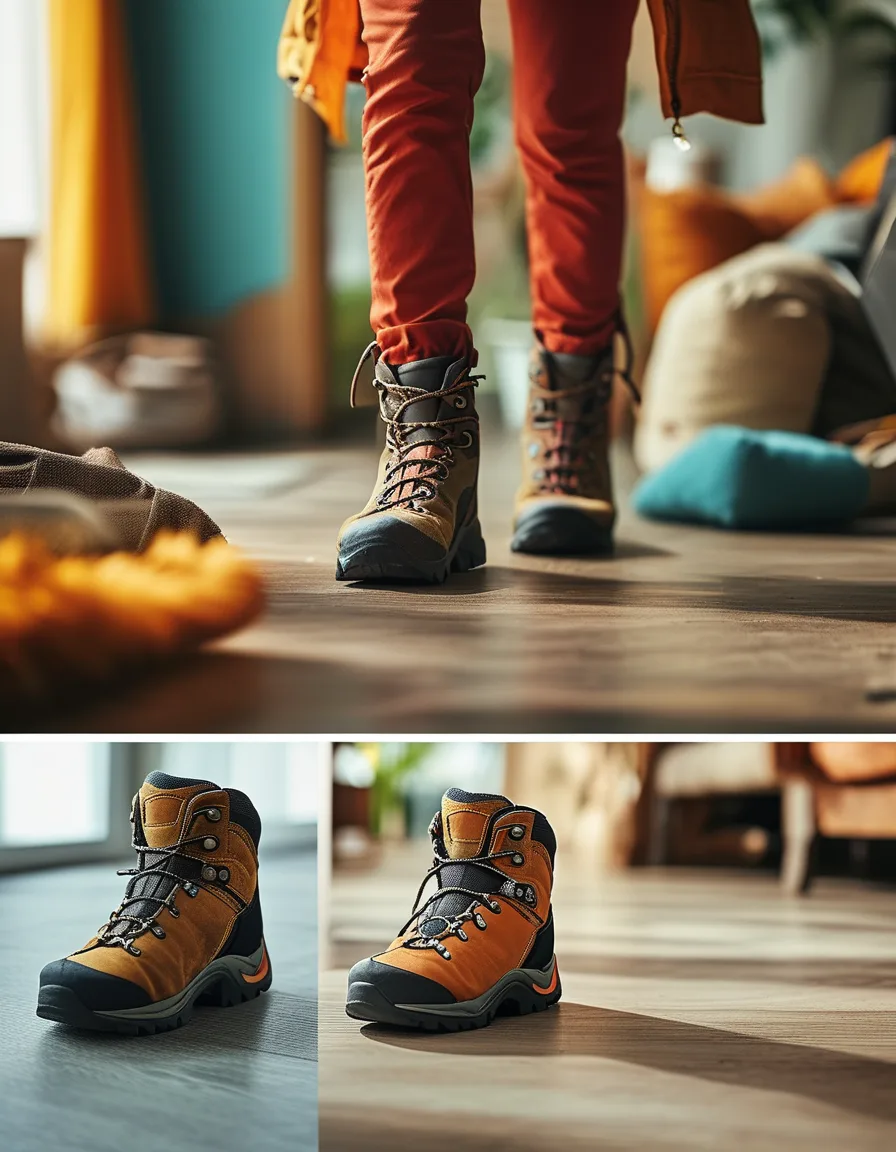
The Specific Parts of a Boot That Physically Change Most During Break-In
Where the real change happens: the the-flex-points-at-the-toe-and-ball-of-the-foot-area-where-a-boot-bends-with-every-single-step-experience-the-most-significant-material-softening-and-adaptation-over-the-break-in-period-compared-to-more-rigid-structural-areas (the specific flex zones experiencing the most repeated mechanical stress and therefore the most material adaptation, distinct from more structurally rigid areas of the same boot — the the-specific-flex-points-located-at-the-toe-and-ball-of-the-foot-area-where-a-boot-genuinely-bends-with-every-single-walking-step-taken-experience-by-far-the-most-significant-material-softening-and-adaptation-over-the-entire-break-in-period-compared-to-the-considerably-more-structurally-rigid-areas-elsewhere-on-the-exact-same-boot), the the-heel-cup-area-gradually-molds-to-an-individual-heel-shape-which-directly-affects-fit-security-and-blister-risk-in-that-specific-location-more-than-almost-any-other-single-part-of-the-boot-from-the-hiking-boot-fit-and-comfort-guide-logic (the heel cup specifically molding over time in a way that directly determines fit security and blister risk at that particular vulnerable location — the the-specific-heel-cup-area-of-a-hiking-boot-gradually-molds-and-adapts-to-an-individual-wearers-particular-heel-shape-over-the-break-in-period-which-directly-and-significantly-affects-overall-fit-security-and-blister-risk-specifically-at-that-particular-vulnerable-location-more-than-almost-any-other-single-part-of-the-entire-boot), and the frame (the specific change locations as the toe and ball-of-foot flex zones experiencing the most material softening from repeated bending, and the heel cup molding specifically to individual heel shape in a way that directly determines fit security and blister risk — two distinct areas doing most of the real physical adaptation work).
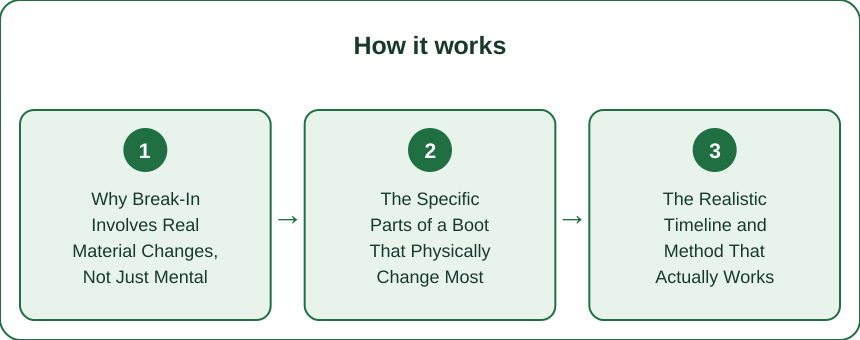
The Realistic Timeline and Method That Actually Works
The practical break-in process: the wear-new-boots-for-progressively-longer-short-walks-on-familiar-flat-terrain-before-attempting-any-genuinely-long-or-technical-hike-rather-than-jumping-straight-into-a-full-length-trip (the a gradual progression in wear duration and terrain difficulty allowing the real material adaptation process time to occur before it’s actually needed on a demanding hike from the boot-breaking-in-care-guide logic — the wearing-brand-new-hiking-boots-for-a-series-of-progressively-longer-short-walks-specifically-on-familiar-and-flat-terrain-before-ever-attempting-any-genuinely-long-or-technically-demanding-hike-rather-than-jumping-straight-into-a-full-length-trip-in-boots-that-havent-had-any-time-to-actually-undergo-the-real-material-adaptation-process-yet), the the-a-realistic-break-in-timeline-generally-spans-several-separate-wear-sessions-over-one-to-two-weeks-rather-than-being-completed-in-a-single-long-wearing-session-regardless-of-total-hours-worn-in-that-one-session (the the actual material adaptation process needing repeated separate wear sessions over time rather than one long continuous session, since the material change process itself has its own biological-material timeline — the a-genuinely-realistic-boot-break-in-timeline-generally-and-typically-spans-several-entirely-separate-wear-sessions-distributed-across-roughly-one-to-two-full-weeks-rather-than-ever-being-fully-completed-within-a-single-long-continuous-wearing-session-regardless-of-the-total-number-of-hours-actually-worn-during-that-one-single-session), the the-pay-close-attention-to-any-hot-spots-or-pressure-points-that-develop-during-early-break-in-wears-since-these-often-indicate-the-boot-doesn’t-fit-well-at-all-rather-than-simply-needing-more-time-to-adapt-from-the-hiking-boot-lacing-guide-logic (the distinguishing normal break-in discomfort from a genuine fit problem, since not every discomfort resolves with more break-in time — the paying-genuinely-close-attention-to-any-specific-hot-spots-or-localized-pressure-points-that-develop-and-persist-during-the-early-break-in-wear-sessions-since-these-particular-symptoms-often-indicate-a-more-fundamental-fit-problem-with-the-boot-itself-rather-than-simply-needing-additional-time-to-adapt-and-resolve-on-its-own), and the frame (the realistic process as progressively longer short walks on familiar terrain before any demanding hike, a timeline spanning several separate sessions over one to two weeks rather than one long session, and close attention to persistent hot spots as a possible fit problem rather than assuming all discomfort resolves with more break-in time — a genuine multi-session process respecting the real material timeline involved).
Breaking in hiking boots involves genuine, measurable physical material changes rather than simply mental adjustment — leather and synthetic upper materials gradually soften and conform to an individual foot’s specific shape through repeated wear and flex, while internal cushioning and insole materials undergo their own separate compression-based settling process, with the toe and ball-of-foot flex zones and the heel cup experiencing the most significant adaptation of any part of the boot. Break boots in properly with a series of progressively longer short walks on familiar flat terrain before attempting any genuinely long or technical hike, spreading the process across several separate wear sessions over roughly one to two weeks rather than one long continuous session, and paying close attention to any hot spots or pressure points that persist during early wears, since those often indicate a genuine fit problem rather than something more break-in time alone will resolve.
Keep Reading
This article is for general informational and styling purposes only. Fit, sizing, and product availability may vary.