How Long Hiking Boot Break-In Actually Takes (It's Not One Weekend)
A lot of hikers plan to break in new boots over a single weekend before a trip, which badly underestimates what the materials actually need. Rushing it is one of the more common causes of blisters on an otherwise well-planned hike.
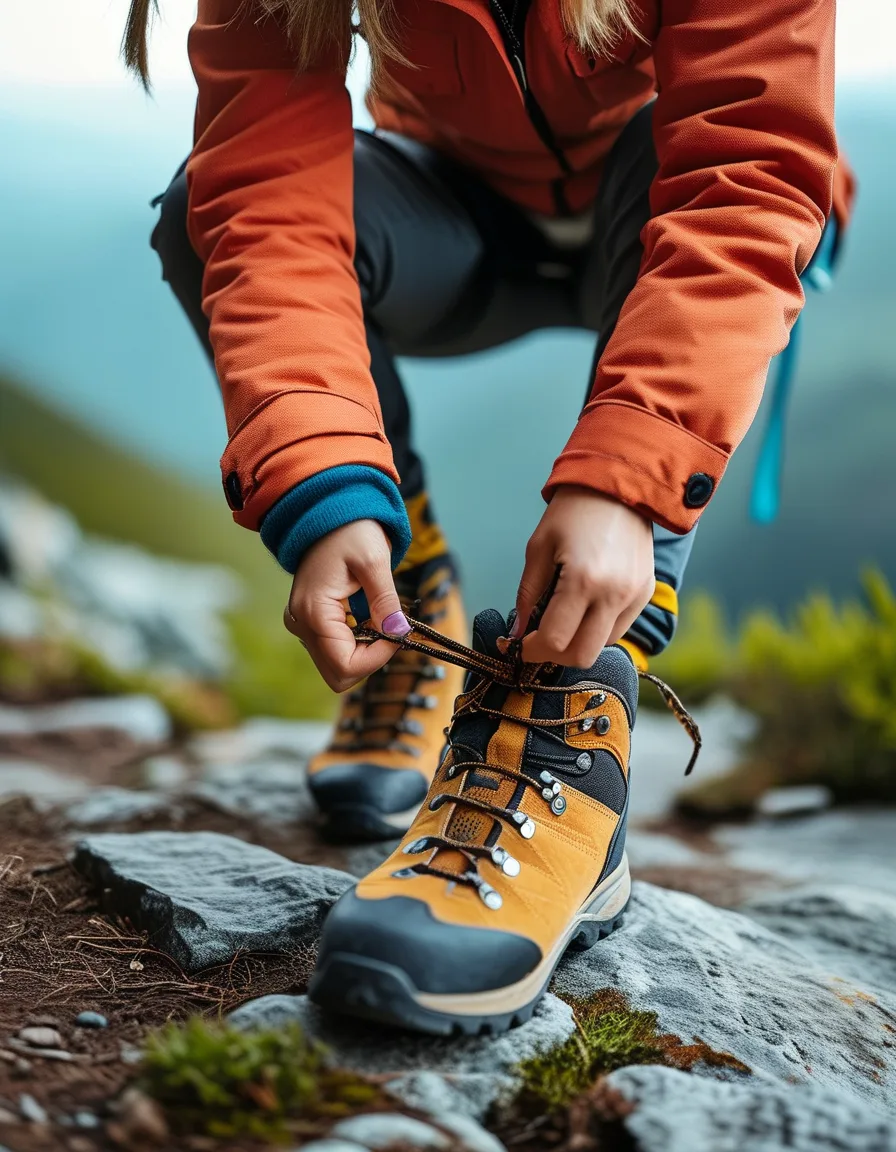

What Break-In Actually Involves
The material process: the the-leather-softening-timeline (full-grain leather boots needing the material to soften and flex around the specific shape of a wearer’s foot, a process that typically takes multiple short wears over one to two weeks rather than a single long walk), the the-midsole-compression-adjustment (the cushioning midsole compressing slightly to match individual foot pressure patterns over repeated wear, which affects comfort as much as the upper material does), the the-synthetic-vs-leather-difference (synthetic and mesh hiking boots generally needing less break-in time than full leather, though even synthetic boots benefit from a few short test wears before a long trip).
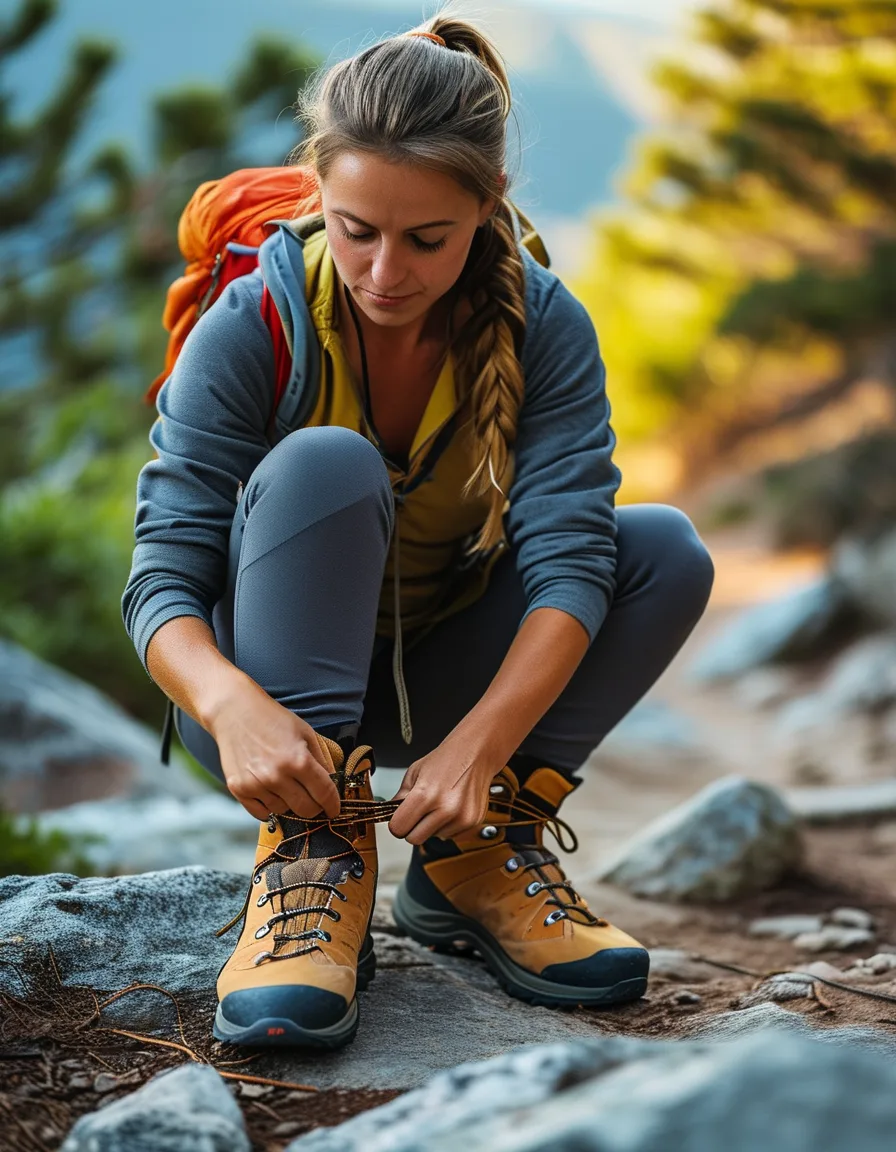
Why the Weekend Rush Fails
The common mistake: the the-single-long-hike-risk (attempting the entire break-in process in one long hike creating hours of sustained friction on feet that haven’t yet adapted to the boot’s specific pressure points), the the-hot-spot-detection-window (short early wears being what actually reveal hot spots and pressure points while there’s still time to address them with different socks, insoles, or lacing before a real trip), the the-return-window-consideration (many retailers only accepting returns on boots that show minimal wear, meaning a single aggressive break-in attempt can also forfeit the option to exchange for a different fit if the boot turns out wrong).
Scheduling It Correctly
The practical timeline: the the-two-week-minimum-guidance (starting the break-in process at least two weeks before a planned trip, with several short wears of increasing distance, being the generally recommended timeline), the the-progressive-distance-approach (starting with short walks around the house or neighborhood before moving to longer test hikes on varied terrain closer to the actual trip), and the frame (two weeks of short, progressive wears beats one long weekend hike for both comfort and catching fit problems in time to fix them)).
Breaking in new hiking boots over a single weekend before a trip badly underestimates what the materials actually need — full-grain leather needs multiple short wears over one to two weeks to soften and flex around an individual foot’s shape, and even the cushioning midsole needs time to compress to match personal pressure patterns. Attempting the whole process in one long hike puts hours of sustained friction on feet that haven’t adapted yet, and it also skips the early short wears that are what actually reveal hot spots and pressure points while there’s still time to fix them with different socks, insoles, or lacing. Starting at least two weeks out, with short walks that progress to longer test hikes on varied terrain, gives both comfort and the chance to catch a fit problem before the actual trip. How Long Hiking Boot Break-In Actually Takes (It’s Not One Weekend) comes down to giving the materials the time they actually need.
Keep Reading
This article is for general informational and styling purposes only. Fit, sizing, and product availability may vary.